Melinda Meyer, Public Historian, teaches you how to properly store and preserve your organization’s materials so that these important records and artifacts are safeguarded for the future.
Why spend time and money to preserve tangible materials?
While many organizations are digitizing their files, protecting physical items is just as important. Scanning and photographing items allows them to be utilized more safely, but the original items provide a direct connection to the past. Storing and organizing these valuable items will keep them safe and accessible for future uses.
This video is for entities that maintain historical records and items, including:
Museums, historical societies, historic sites
County and municipal government agencies
Places of worship
Clubs, groups, nonprofit organizations
Schools and school groups
What you’ll learn:
Proper storage methods for records and other materials important to your organization
How to create the appropriate environment for historical items
Handling techniques dos and don’ts
Cataloging structure suggestions
Software options for cataloging
About Melinda Meyer
Melinda Meyer is a public historian and Preservation Erie board member who has worked with and served the heritage and arts communities of Northwestern Pennsylvania for more than 20 years. She is experienced as an historian, educator, project consultant, grant writer and nonprofit administrator.
This project was financed in part by a grant from the Community Conservation Partnerships Program, Pennsylvania Heritage Areas Program, under the administration of the Pennsylvania Department of Conservation and Natural Resources, Bureau of Recreation and Conservation.
The Greatest Baseball Town in America: Donora, PA!?
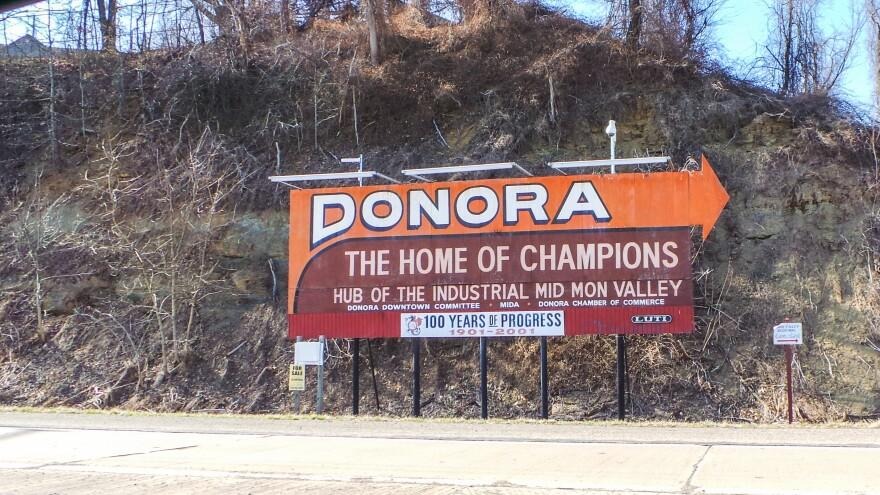
Everybody is from somewhere. And when someone accomplishes something impressive, that place rightfully likes to celebrate. Well, the town of Donora in Washington County has A LOT to celebrate, especially in the world of Major League Baseball. Most small towns dream of producing one big sports star, but Donora produced three, and not just any three…
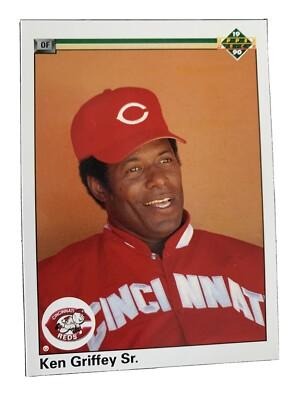
✨ Stan Musial ✨ Ken Griffey Sr. ✨ Ken Griffey Jr.✨
For a Monongahela River town with a peak population of about 14,000 in 1920, that’s basically striking lightning in the same place three times!
Stan “The Man” Musial: Donora’s First Baseball Icon
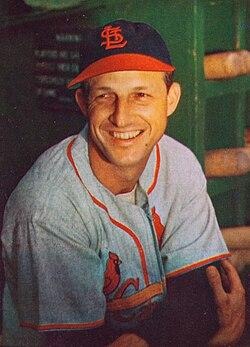
Stan Musial in 1953 from Wikipedia
Stan Musial, nicknamed “Stan the Man,” was born in Donora on November 21, 1920. The son of a Polish immigrant father and Czech-American mother, Musial grew up playing ball in the same working-class neighborhoods that defined western Pennsylvania industrial towns.
Scouted by the St. Louis Cardinals at the age of 17, he went on to spend his entire major league career with the team from 1941-1963, except during his enlistment in the US Navy between January 1945 and March 1946. He was one of the most consistent hitters in baseball history.
A few numbers that are still astonishing:
3,630 career hits (#4 in MLB history)
.331 lifetime batting average (#57 overall)
24 All-Star selections (tied for second with Willie Mays)
3 National League MVP awards in 1943, 1946, and 1948
Fun trivia: Musial had 1,815 hits at home and 1,815 hits on the road. Perfect symmetry.
He was honored with a statue at Busch Stadium in St. Louis in 1968 (don’t worry – they moved the statue to the new stadium in 2006). Musial was elected to the Baseball Hall of Fame in 1969, which was his first year of eligibility, and was on 93% of the ballots. In 2011, he received the Presidential Medal of Freedom. At the ceremony, President Obama said Musial was “an icon untarnished, a beloved pillar of the community, a gentleman you’d want your kids to emulate.” Musial passed in 2013 and is buried in Missouri.
Next time you are in Donora, you can try your batting skills at the Stan Musial Baseball Field, you can drive across the Monongahela River on the Stan “The Man” Musial Bridge, and you can visit the PA State Historical Marker dedicated to Musial at the intersection of Sixth and Meldon avenues.
Ken Griffey Sr.: The Second Generation Star
Fast-forward a few decades and Donora struck baseball gold again.
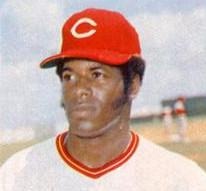
Ken Griffey Sr. was born in Donora on April 10, 1950. Griffey, Sr. excelled in many sports in high school. He and many others thought football was his best sport and that he would pursue that professionally.
Fate, however, had other designs. The Cincinnati Reds chose Griffey in the 1969 MLB draft! After a few years in the minor leagues, he made his major league debut with the Reds in 1973. He contributed to the Reds “Big Red Machine” team, winning the World Series in 1975 and 1976.
He remained in the MLB until 1991, playing for the NY Yankees, Atlanta Braves, and Seattle Mariners after the Reds.
You can also catch a game at the Ken Griffey Baseball Field behind the former Donora High School.
Fun trivia: Griffey’s father was a high school teammate of Stan Musial.
Career highlights:
3-time All-Star
Over 2,100 career hits
Inducted into the Cincinnati Reds Hall of Fame in 2004
Ken Griffey, Sr. contributed to baseball history in another unique way…
Ken Griffey Jr.: The Kid Who Made Donora Famous Again
Ken Griffey Jr. was born on November 21, 1969, in Donora just as his father was beginning his major league career. When Ken Griffey, Sr. joined the Reds in 1973, the family left Donora for Cincinnati where “The Kid” grew up. Like his father, he was drafted immediately after high school; this time by the Seattle Mariners.
He made his MLB debut in 1989 and remained with the Mariners for the next 10 seasons. During the 1990 and 1991 seasons, the Griffeys were teammates! In 1990 they made history by being the first father-son duo to hit back-to-back home runs in the same game.
In 2000, Griffey signed with the Cincinnati Reds, his dad’s old team. He finished his MLB playing career with the Mariners in 2010.
And what a career it was! Griffey combined power, defense, and swagger in a way few players ever have. Just some highlights from 22 seasons in the MLB:
630 career home runs (7th in MLB history)
13 All-Star selections
10 Gold Gloves
Inducted into the National Baseball Hall of Fame with one of the highest vote percentages ever
Fun trivia: Ken Griffey, Jr. and Stan Musial share birthdays.
These are all of the champions of Donora, right?
No. Sometimes, the right combination of talent, mentorship, and opportunity produces someone extraordinary. Donora has seemingly captured this magic. Beyond the legends of Musial, Griffey, and Griffey, several other notable athletes hail from Donora, rightfully earning the town’s nickname, “Home of Champions.”
Steve Filipowicz (1921 – 1975) was born in Donora. He played major league football AND baseball for the New York Giants. Only he and Jim Thorpe can make this unique claim!
Arnold Galiffa (1927 – 1978) was a successful high school athlete in Donora. After attending West Point and serving in the U.S. Army, he played in the NFL for the New York Giants and the San Francisco 49ers. He then played a couple of seasons in the Canadian Football League. By 1957, he returned to Donora and served on borough council.
Dan “Deacon” Towler (1928 – 2001) played numerous sports while he attended Donora High School. He then attended Washington & Jefferson College where he continued to play football while earning a degree. His theology studies earned him the nickname “Deacon.” He played six seasons for the Los Angeles Rams. Towler continued his theological studies, became a pastor, a chaplain, founder of the Dan Towler Education Foundation, and eventually served six terms as president of LA County Board of Education.
Learn what it means and how your organization can be a consulting party for PennDOT projects that include historic resources, such as buildings, bridges, and archaeological sites.
What are Section 106 and Consulting Parties?
Section 106 of the National Historic Preservation Act of 1966 requires projects using federal funds or needing federal permits to review the project area for potential effects on historic properties. Consulting parties include those with a legal, economic, or historic preservation interest for these projects.
This video is for those who may be consulting parties, including:
Museums, historical societies, historic sites
Owners of historic properties
Owner of property with a historic district
Municipal government representatives
What you’ll learn:
Background of the National Historic Preservation Act
Definitions of common terms associated with these projects
How to register with PennDOT to be alerted to projects with your area of interest
About Keith Heinrich
Keith Heinrich is an above Ground Cultural Resources Professional for PennDOT Districts 9 and 12, which includes 10 counties in southwestern PA. He previously worked for the PA State Historic Preservation Office as a Historic Preservation Specialist.
This project was financed in part by a grant from the Community Conservation Partnerships Program, Pennsylvania Heritage Areas Program, under the administration of the Pennsylvania Department of Conservation and Natural Resources, Bureau of Recreation and Conservation.
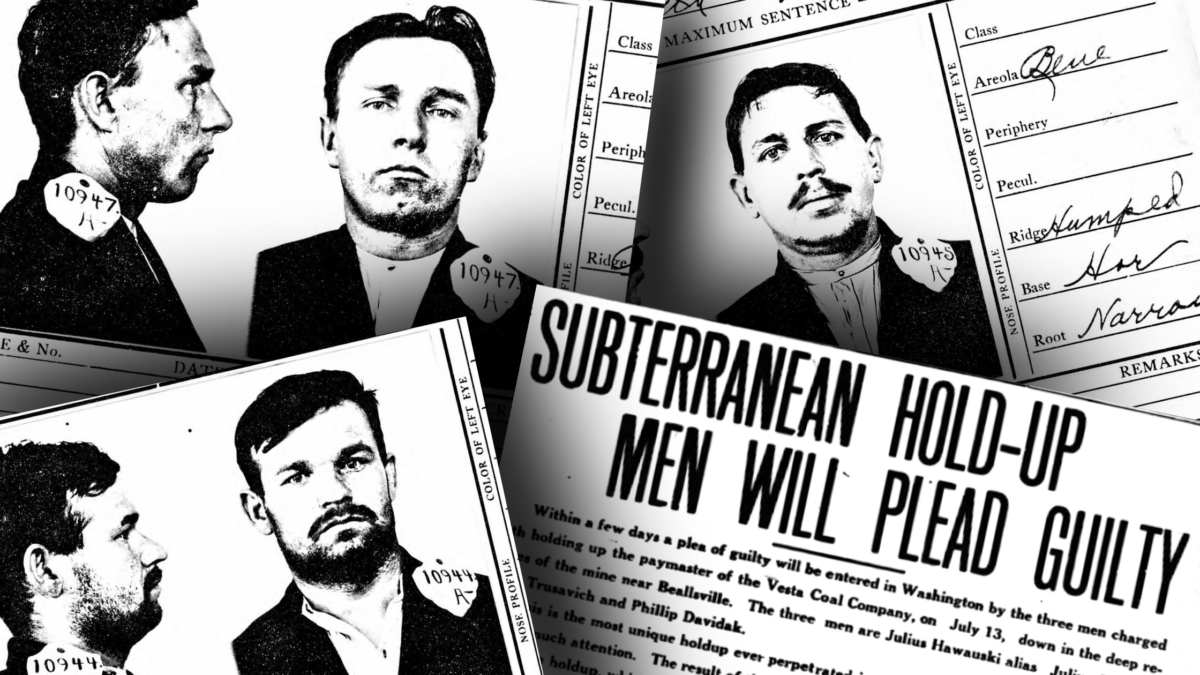
In the early hours of July 13, 1920, the mining town of Richeyville, Washington County became the scene of a daring underground heist. Inside the Vesta Mine, three masked men waited in the dark for their moment. When the paymaster and foreman arrived to deliver wages to the miners, the armed robbers struck.
Within minutes, they made off with $6,000 in payroll cash (nearly $100,000 in today’s money) leaving the paymaster and foreman bound and gagged. After fleeing the mine, the robbers hid in a nearby field until nightfall, hoping to escape unnoticed.
But their plan quickly unraveled.
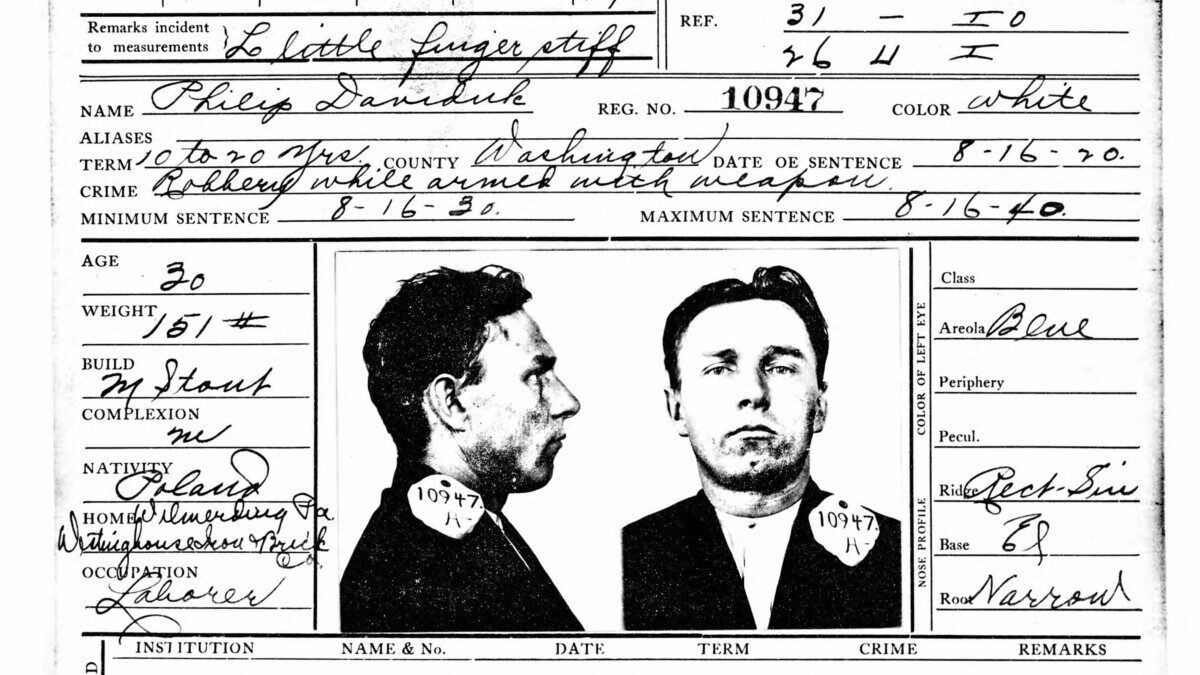
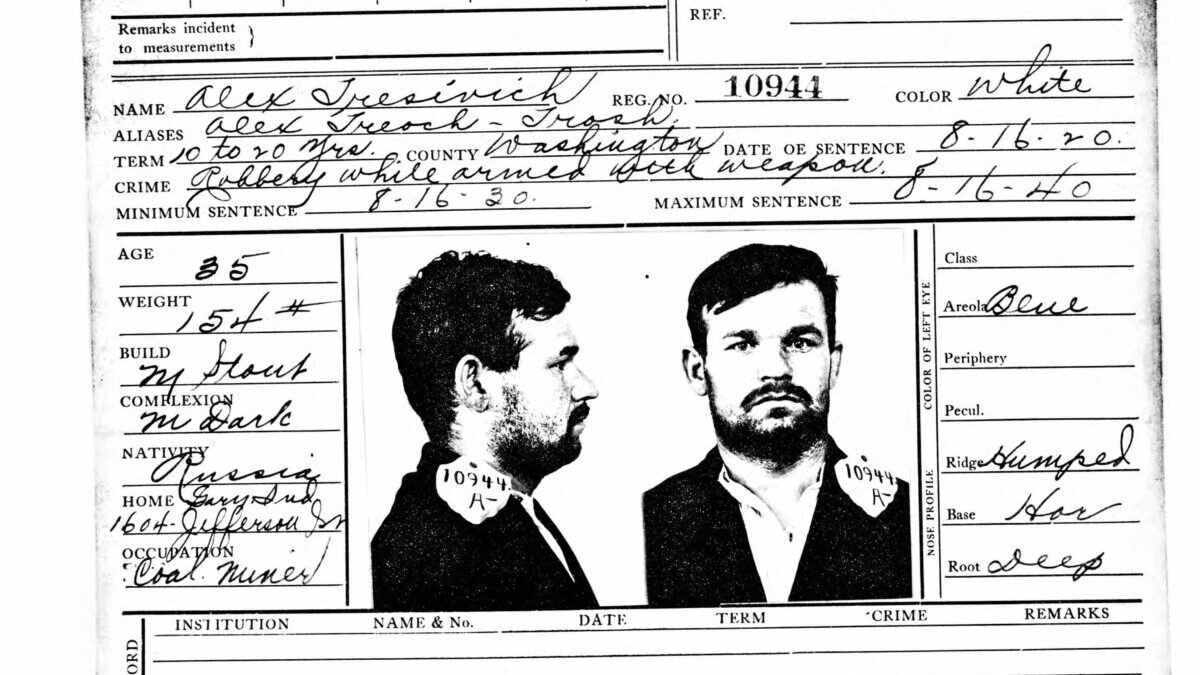
The mine officials managed to free themselves in minutes and raised the alarm. Police soon arrested Julius Hawauski, who confessed and surrendered his share of the loot of just over $1,000 and the automatic pistol he’d taken. He also gave up the names of his accomplices: Alex Tresivich and Phillip Daviduk.
Authorities learned the two had fled toward Gary, Indiana, where Alex’s brother lived. Two weeks later, on July 28, Gary police captured both men – but not before a daring escape attempt on Alex’s part. The man jumped from a third-story window, only to catch his clothing on the ledge, leaving him hanging there for the authorities. Oops.
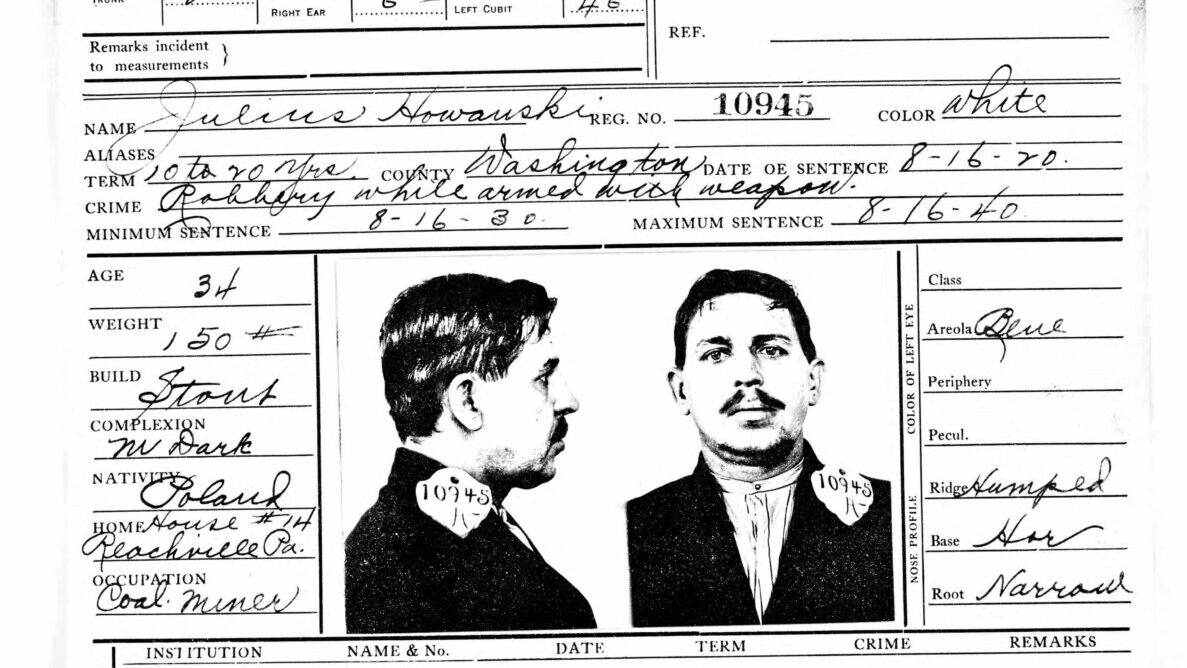
Detectives brought the pair back to the area. All three men pled guilty on August 16, 1920, and received 10–20 year sentences in Pittsburgh’s Western Penitentiary.
A Crime that Captured Headlines
The Vesta Mine robbery was front-page news in the region. Papers from Monongahela to Pittsburgh and even Philadelphia followed the story, intrigued by the unusual circumstances of a payroll heist underground and the human drama of miners turned criminals.
Small details hint at how their immigrant background complicated matters: newspaper and court records list up to six different spellings of the robbers’ surnames, likely due to accents and transcription errors.
A Closer Look at The Culprits
Julius Hawauski
Julius Hawauski was born in Poland around 1886, Julius came to America in 1910 and settled in Pennsylvania. At the date of the crime, he was living in a company house in Ritcheyville. A coal miner by trade, he stood 5’5”, was Roman Catholic, unmarried, and literate in Polish. His penitentiary records noted scars on his hands and head, perhaps from years underground.
Was Julius the ringleader, given his ties to the Vesta company town? The records don’t say. After his imprisonment, his trail vanishes.
Phillip Daviduk
Phillip Daviduk, born August 15, 1892 in Poland, immigrated in 1911 and worked in Pennsylvania’s heavy industries. Standing 5’5”, he was Russian Orthodox and widowed. Phillip had scars of his own and a stiff finger was also noted on his prison intake form. He had just left a job at Westinghouse Cement Works in Allegheny County weeks before the robbery. Was this coincidence or planning?
Phillip sought pardons in 1928 and 1930, but both were denied. Census records show him imprisoned in 1930 and 1940, suggesting he served the full 20 years of his sentence. A possible 1942 draft card lists a man of his name, living unemployed in Pittsburgh, but his fate remains uncertain.
Alex Tresivich
Alex Tresivich was born around 1885 in Russia, Alex arrived in the U.S. in 1912 and came to Pennsylvania four years later. Standing at 5’6”, he was described as a “sober, literate coal miner.” He was also married with two children. After conviction, Alex was transferred to Rockview Penitentiary in Centre County, PA though no records explain why. Like the others, he disappears from history after that point.
Researching the Vesta Mine Robbery
The original story was discovered in the August 10, 1920 issue of The Daily Republican. From there, census records, penitentiary files, and additional newspaper articles filled in the gaps. The Western Penitentiary intake forms, complete with mugshots and fingerprints, offered haunting glimpses into the lives of the three men.
Unsolved Mysteries
The primary sources revealed so much about the three culprits, but many questions remain. Did all of the men serve full sentences? Did Alex ever see his family again? Did Phillip truly return to Pittsburgh after decades behind bars? We may never know.
Like so many stories from the coal towns of western Pennsylvania, this one ends not with closure—but with mystery lingering in the shadows.
Celebrate History at Vesta 88
Want to connect to this history and grab some grub along the way? Visit Vesta 88 River House & Barge Outdoor Bar. This local business pays tribute to the Vesta Mine and our region’s history with great food, Mon River access, a summer music series, and events for every holiday.
“We hope you enjoy the history and heritage of our town in our newly renovated building while savoring the tastes on our unique menu.” – Vesta88 Riverhouse & Barge Outdoor bar
Sources:
The Daily Republican, Monongahela, PA. Issues: August 2, 10, 17, 1920; November 23, 1928.
The Morning Herald, Uniontown, PA. January 23, 1930.
The Philadelphia Herald. Philadelphia, PA. July 29, 1920.
The Pittsburgh Sunday Post. Pittsburgh, PA. August 1, 1920.
U.S. Census, Penitentiary Records, Registration Cards, and Employee Records available at ancestry.com
Southwestern Pennsylvania has always been a crossroads of cultures. Nowhere is this more evident than in the holiday season, when old-world customs light up homes, churches, and community halls across Washington and Fayette counties. From Italian Christmas Eve feasts to Orthodox Holy Suppers and Hanukkah celebrations, the region’s holiday season reflects the diversity of its immigrant roots even if they are not as prevalent today. Here are just a few dinners celebrated in local newspapers from late 1800’s to the 1950’s.
Jewish Communities and Hanukkah Latkes
In Connellsville, PA Jewish families gathered at the B’nai Brith Synagogueat 412 North Pittsburgh Streetfor Hanukkah programs celebrating light and resilience. The once church was converted for synagogue use in 1910. Starting in 1911 the town of Donora, PA also had The Onav Sholom Synagogue at 2nd St. and Thompson Ave. As reported in The Daily Courier(Dec. 24, 1932), their festivities marked both faith and community spirit.
By mid-century, The Evening Standard in Uniontown featured recipes for potato latkes, a time-honored dish fried in oil to commemorate the miracle of the Maccabees. See the full recipe below.
While most synagogues in the region have closed, some buildings remain. By the late 20th century, the B’nai Brith Synagogue building reverted back to church use and the Onav Sholom Synagogue currently houses the Mon Valley Youth & Teen Association, Inc.
Italian-American Christmas Eve Fishes
In the region’s mill towns, coal patches, and larger cities, Roman Catholic Italian families preserved the Feast of the Seven Fishes. The Daily Notes (Canonsburg, Dec. 23, 1931) described families gathering around elaborate Christmas Eve tables filled with fish before attending midnight Mass. After returning home, punch and cake were served before a late morning of rest. For many families, the rhythm of worship, food, and fellowship mirrored the holiday cycles their ancestors observed in southern Italy.
Numerous Roman Catholic churches survive throughout Southwest PA. In the heyday of immigration into the region, many churches were established for the new arrivals with masses typical given in native languages.
St. Therese Churchon Mill St. in Uniontownwas established in the 1930s for the growing Italian population. In fact, a new church was constructed in the 1960s to accommodate more parishioners and remains active.
Ukrainian Orthodox Holy Supper
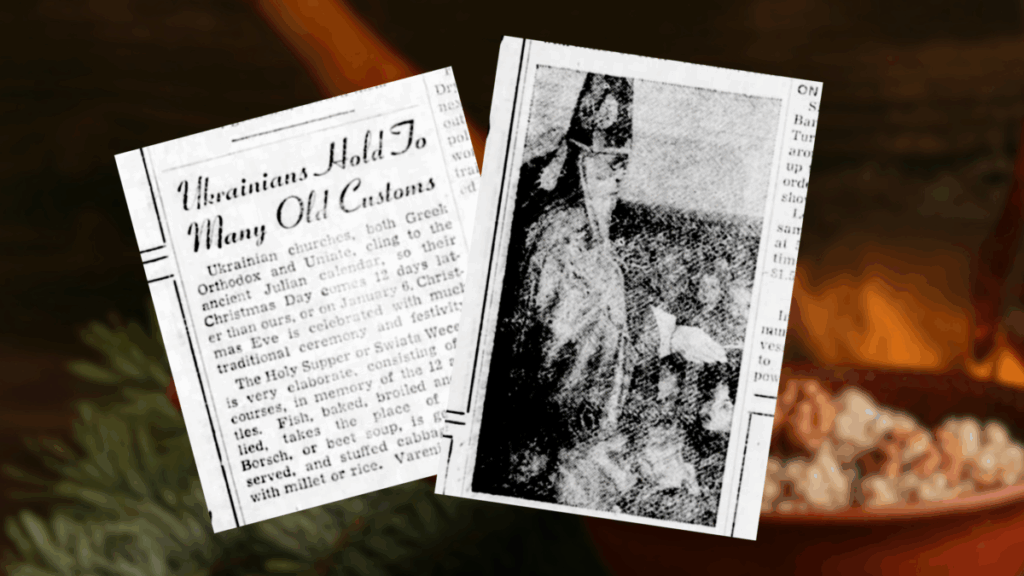
Orthodox communities across Fayette and Washington counties follow the Julian Calendar, celebrating Christmas on January 7. The Daily Herald (Jan. 4, 1946) noted that Orthodox Christians observe the day with a Holy Supper of twelve meatless dishes, which symbolize the twelve Apostles, featuring borsch, cabbage rolls, fish, and kutya, a sweet grain pudding.
In Ukrainian households, throwing a spoonful of kutya at the ceiling was a way to divine the year’s fortune: if it stuck, happiness would follow, but maybe not for those who were on clean-up duty!
The region’s Orthodox culture continues in several active parishes, including
Even before the great immigrant waves of the early 1900s, local newspapers like The Daily Herald (Dec. 21, 1881) chronicled European folk customs that influenced regional celebrations. From German Christmas trees and Yule logs to the Bohemian ritual of shaking fruit trees for good harvests, these traditions emphasized nature’s renewal and divine generosity.
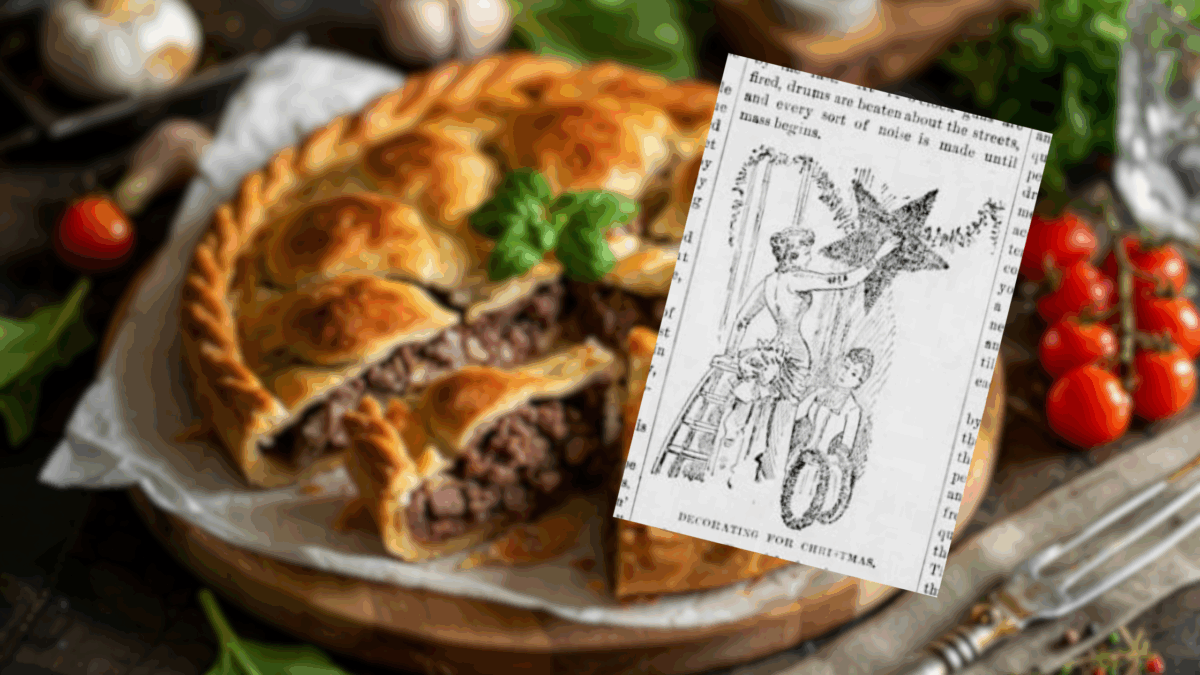
The Monongahela Valley Republican (Dec. 25, 1873) noted churches decorated altars with ivy and holly, and English-style Christmas dinners featured plum pudding and Yorkshire pie, carrying the festive spirit across oceans and generations.
Threads of Light and Memory
Across a century of clippings, recipes, and remembrances, the story of Washington and Fayette counties during yearend festivities is one of continuity and adaptation. Jewish, Italian, Slavic, and Anglo traditions intertwined here, each adding flavor to the regional mosaic. Whether lighting a menorah in Uniontown, launching kutya in Monongahela, or frying eel in Canonsburg, families kept the lights of their ancestors burning bright, illuminating the Pennsylvania winter with faith, food, and family.
What traditions do your family follow? Are any tied to specific ethnic histories?
Potato Latke Recipe
Yield: 12 Latkes, serves 6
Ingredients: 2 pounds of Russet potatoes, peeled 1 small onion 4 eggs 1 cup flour 1 teaspoon baking powder 2 teaspoons salt Vegetable oil for frying
Instructions:
Grate peeled potatoes and onion using a box grater. Place grated potatoes and onion in a colander and press to remove excess liquid.
Add drained potatoes and onion to a large mixing bowl. Add the remaining ingredients and mix well.
Cover surface of frying pan with oil and heat until hot. Add latke batter (about 4 inches in diameter) and fry. When golden brown, flip latkes over to brown on the other side.
Place finished latkes on a paper towel lined surface to absorb excess oil. Fry remaining latkes. Serve warm.
Learn how you can use federal and state historic tax credits to support your historic building rehabilitation project, with Angelique Bamberg. (28mins)
What is a historic tax credit?
A Historic Tax Credit or (HTC) is a federal or state tax incentive that encourages private investment in the rehabilitation of historic buildings for income-producing use. The federal program provides a 20% federal tax credit administered by the National Parks Service and the Internal Revenue Service. Pennsylvania (like many other states) also has a state HTC that can be combined with the federal HTC. Both programs require similar application processes and requirements.
Who is this video for?
Non-profit and For-profit Leaders
Developers
Business Owners
Property Owners
Heritage stewards looking to preserve structures
What you’ll learn
An introduction to the federal and PA’s Historic Preservation Tax Credit programs
Benefits to property owners and developers
Application process for Federal and PA tax credits
Tips for a smooth application process
About Angelique Bamberg
Angelique Bamberg, Founder of Clio Consulting, LLC,is an independent consultant specializing in city planning and historic preservation and an instructor in the Department of the History of Art and Architecture at the University of Pittsburgh.
This project was financed in part by a grant from the Community Conservation Partnerships Program, Pennsylvania Heritage Areas Program, under the administration of the Pennsylvania Department of Conservation and Natural Resources, Bureau of Recreation and Conservation.
Hidden among the hills near Prosperity, Washington County, Pennsylvania, stands a place that seems touched by enchantment. The cottage is called Moon Lorn, and for over sixty years it was home to Malcolm Parcell (1896–1987), one of western Pennsylvania’s most imaginative and quietly brilliant artists.
Moon Lorn wasn’t just Parcell’s home; it was the center of his world, a retreat for painting, dreaming, and turning imagination into art. The man and his home became so intertwined that locals came to call him “The Wizard of Moon Lorn.”
Malcolm Parcell’s Early Years in PA
Malcolm Parcell was born in 1896 in Claysville, Washington County, Pennsylvania, the youngest of three children of Rev. Stephen Lee Parcell, a Baptist minister, and Emma Lindsey Minor Parcell. The family moved to Washington, Pennsylvania, when Malcolm was six.
From an early age, Parcell showed an instinctive love for beauty and detail. He later reflected: “I realize now how inborn was my feeling for beauty. It leads to feelings of perfection… There is a strength in beauty that is the highest goal that man can achieve.”
Early Education and Career Start
In 1913, Parcell enrolled at the Carnegie Institute of Technology (now Carnegie Mellon University), where he studied under Arthur Watson Sparks and George Sotter, who were both noted American realist artists. He commuted daily from Washington to Pittsburgh by train and trolley, a 70-mile round trip journey. That discipline shaped both his work ethic and his grounded artistic vision.
Parcell’s early jobs included assisting on church murals for architect John T. Comes and designer Edward Trumbull. His first major success came in 1918 when he won first prize in the Associated Artists of Pittsburgh annual exhibition for Trinity Hall, a painting of an old military academy gate in Washington.
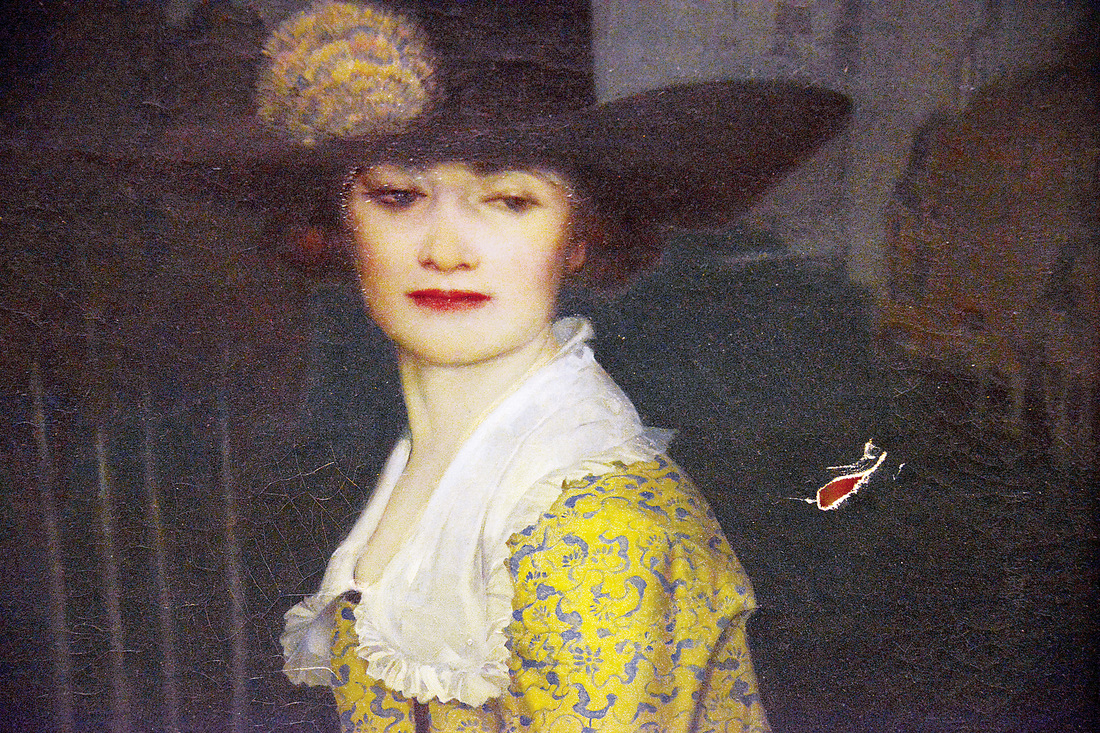
In 1919, a portrait titled Louine changed everything. His subject, Helen Louine Gallagher, a Washington schoolteacher who became his model and later his wife, captivated viewers with her luminous presence. Sent to New York by a Pittsburgh art official, the painting won the Saltus Gold Medal for merit from the National Academy of Design.
This early triumph established Parcell’s reputation as a portraitist of rare sensitivity. He followed with major prizes from the Art Institute of Chicago, including the Logan Prize in 1924 for Jim McKee and the Harris Prize for Portrait of My Mother. By his late twenties, Parcell was showing in New York’s Macbeth Gallery and exhibiting regularly in the Carnegie International Exhibition. Between 1920 and 1950, he displayed 30 paintings over this 30-year span, an impressive feat for any American painter of his era.
Despite his growing fame, Parcell remained humble and rooted. He disliked the competitive gallery scene, once admitting, “I very seldom sent a work of mine to a competition. Someone else would always do it.”
In the early 1920s, Parcell took advice from landscape painter J. Alden Weir, who told him: “Go back home — back to the source of your inspiration. Follow your own quest.”
Parcell did just that. He returned to Washington County and to a piece of land where he had played as a boy. The original structure was a simple log cabin, which he transformed into a rustic studio-home, part cabin, part cottage, surrounded by woodland and light.
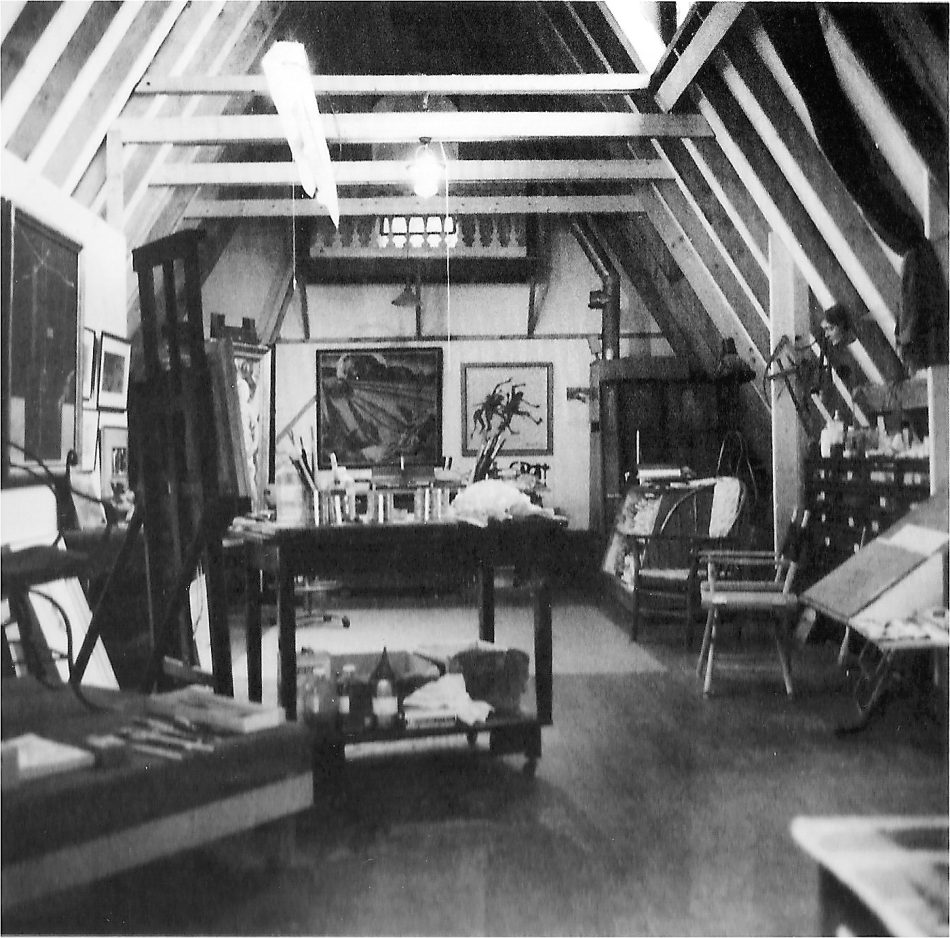
He called it Moon Lorn, a name that evokes both solitude and wonder. The property became the heart of his creative life, a retreat from the noise of modernism that he found hollow. In 1964, he built an A-frame studio designed to capture northern light through a high clerestory window, the perfect illumination for his paintings.
“My work is not reality,” he once said, “but what you might call a halo around things, affecting scale and content. It’s not a reality anyone else would see.”
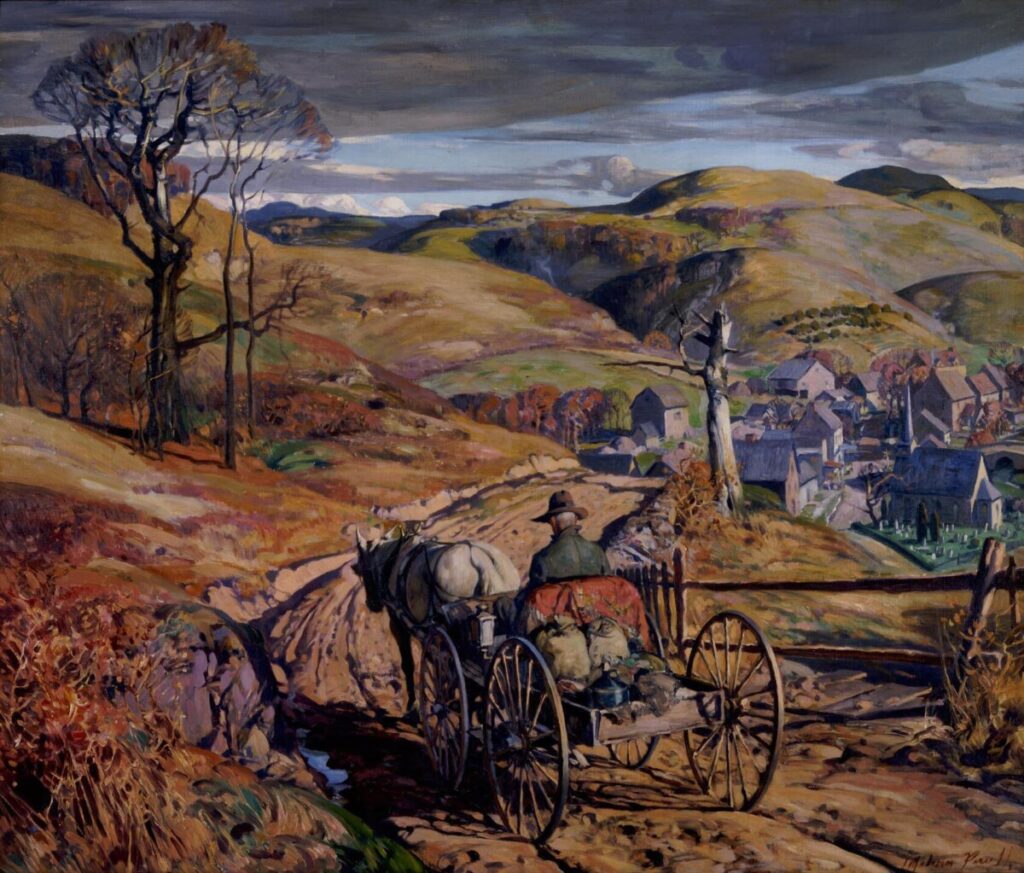
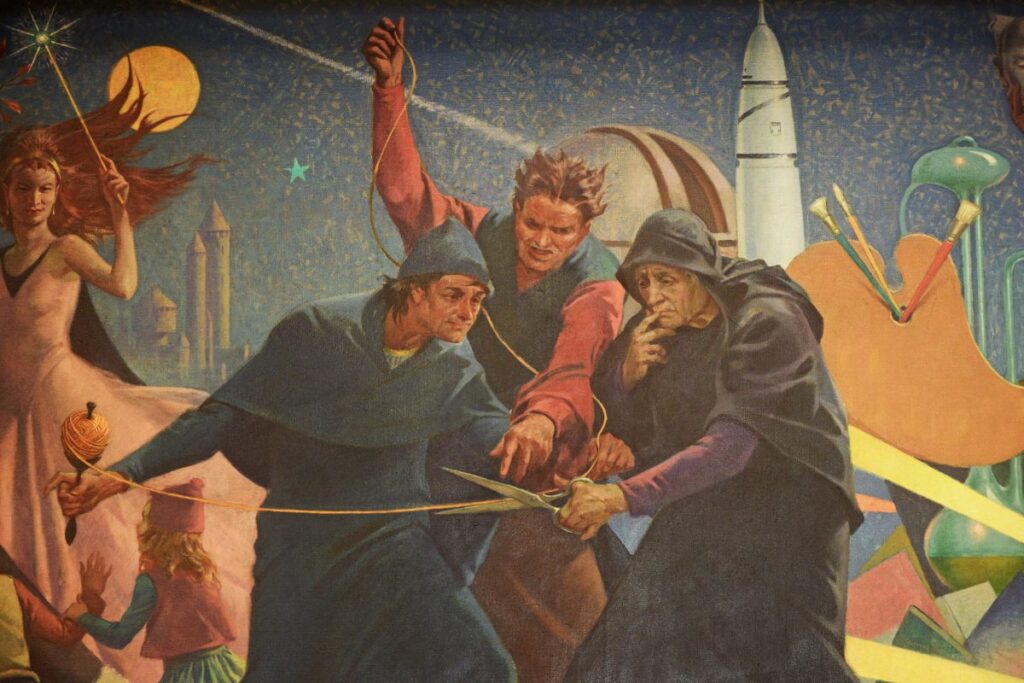
Parcell’s career was remarkably versatile. Though well known for portraits, he also painted landscapes, allegories, and what he called “mythologies” that he defined as mystical scenes featuring nudes, elves, and dreamlike creatures. He believed these works gave “form to legend” and reflected the inner life of his imagination.
He completed hundreds of commissioned portraits across the Midwest and East Coast, often traveling to cities like Chicago, Indianapolis, and New York to paint. Later in his career, he shifted to working from photographs, but always preferred live sittings, which he felt captured the true “construction” of a person.
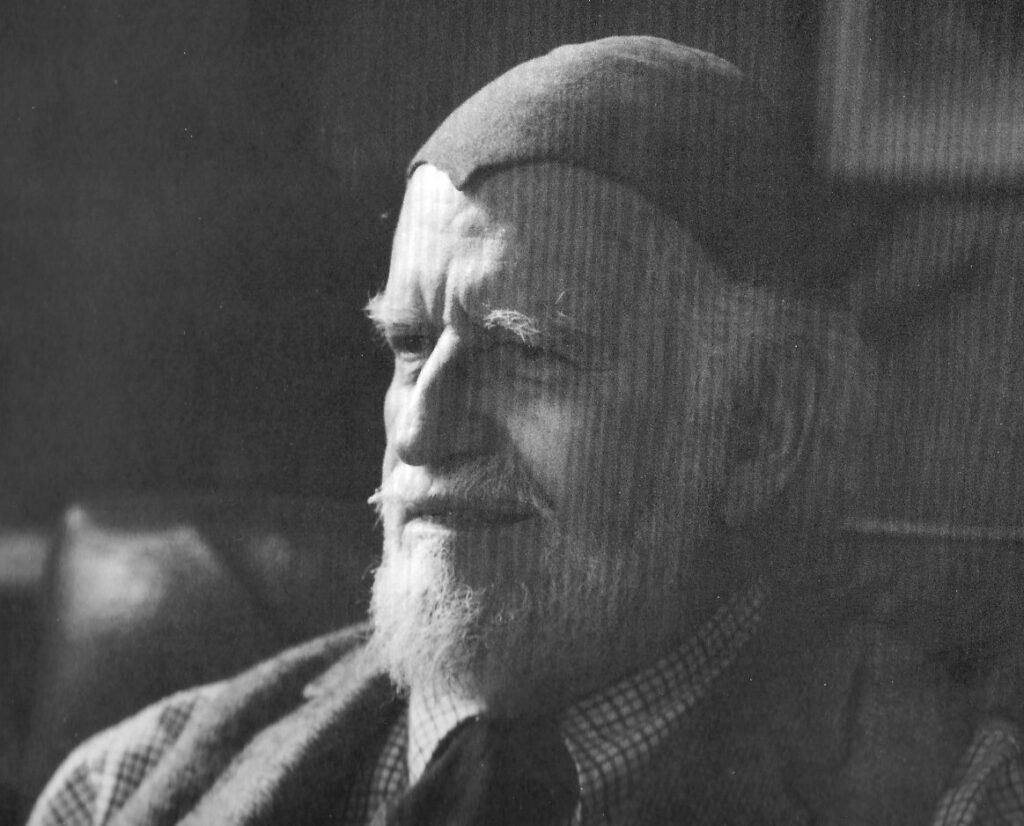
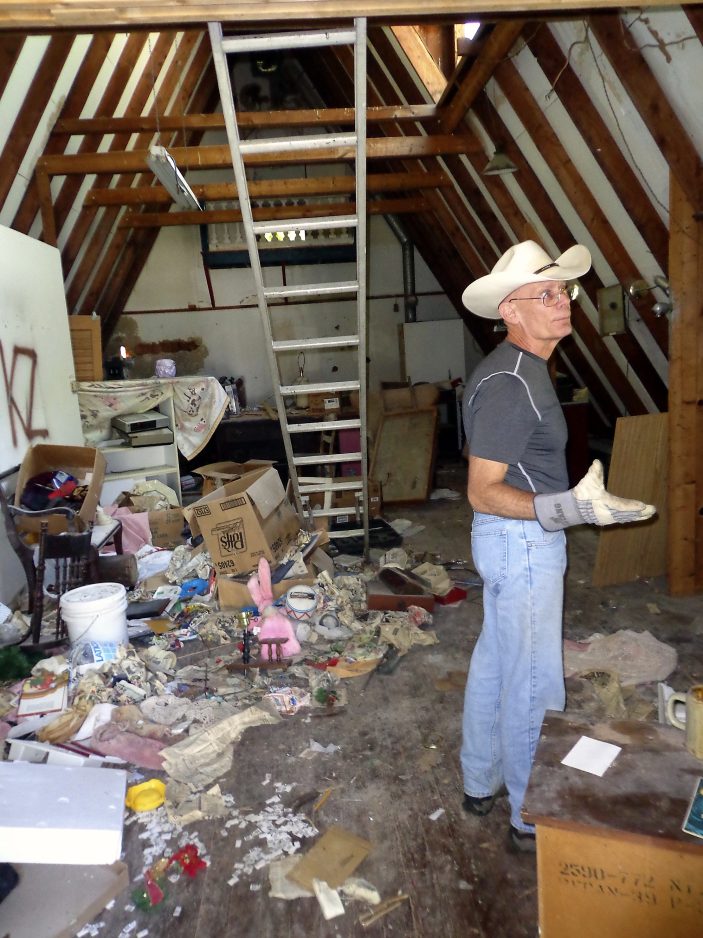
Photo from “Malcolm Parcell: Wizard of Moon Lorn,” by Donald Miller in 1964Artist and neighbor Steve Leonardi surveys damage and debris Sept. 23 in Malcolm Parcell’s studio. [Photo from Observer]
The Cottage from Disrepair to AirBNB
Parcell lived at Moon Lorn until his death in 1987 at age 91, having spent more than six decades there. Afterward, the Malcolm Parcell Foundation purchased the property, hoping to preserve it as an artist’s retreat. The vision lasted about ten years before funding and upkeep faltered.
In the decades that followed, the property fell into severe disrepair. Vandals broke doors and windows, thieves stripped wiring and stained glass, and Moon Lorn became a ghost of its former self. In 2017, Preservation Pennsylvania included the property in its At Risk list of historic places in jeopardy of loss.
But like the light Parcell loved to paint, the story refused to fade.
In 2024, Farley and Ingrid Toothman, longtime admirers of Parcell’s work, purchased the property from Consol Energy. Judge Toothman, who had visited Parcell as a boy, led its restoration and revival, reopening Moon Lorn as an Airbnb and creative rental space for a way for new generations to experience the magic of the place that inspired so much art.
Malcolm’s philosophy that art surrounds life like “a halo around things” remains his most enduring legacy. And at Moon Lorn, beneath the shifting Pennsylvania light, that halo still seems to shine.
As the hills along the National Road fade from green to gold, one small flower continues to hold the landscape together: the aster.
From sunlit meadows to roadside edges, native asters (members of the Symphyotrichum family) bloom when nearly everything else has gone to seed. Their violet, pink, and white petals catch the low autumn light, offering vital food to bees, butterflies, and migrating pollinators preparing for the long winter ahead.
In ecology, asters are known as keystone plants, species that support a remarkable number of other organisms. Dozens of native bee species rely on their late-season nectar, while their seeds feed goldfinches and other songbirds that linger through fall. Long after the blooms fade, asters’ roots help stabilize the soil and hold the memory of the meadow in place until spring’s return.
In a season of change, asters remind us that even the smallest blooms can sustain an entire community. Take a moment this month to notice them along trails and in field edges.. a quiet burst of resilience at the close of the growing year.
Keep an eye out for these special flowers this season.
Listen to Aster Season
Enjoy this playlist while you drive the quite autumn streets, or while you’re home watching the sunset on Pennsylvania hills.
In the rolling hills of Fayette County, Pennsylvania, a quiet experiment in community, cooperation, and dedication took shape during the depths of the Great Depression.
Its name, Penn-Craft, was chosen to honor both William Penn and the land’s former owner, Isaiah Craft. But the name also reflected something deeper: the belief that ordinary people, through their own craft and effort, could build a better life.
Unlike many “back-to-the-land” homestead projects of the 1930s that were sponsored by the federal government, Penn-Craft was the vision of the American Friends Service Committee (AFSC), a private Quaker relief group known for its humanitarian work. Led by Clarence Pickett, the AFSC sought to prove that self-help and cooperation could succeed where bureaucracy often failed.
The goal was to give unemployed coal miners and their families a chance to rebuild their lives through home ownership, community, and shared labor. Penn-Craft would be a non-governmental living experiment in social and environmental reform.
The Residents
In 1937, the AFSC purchased the 200-acre Craft farm near Republic, Pennsylvania. Fifty families were carefully chosen to represent Fayette County’s ethnic diversity from hundreds of applicants. They were miners, laborers, and families displaced by the collapse of the coal and coke industries. To qualify, they had to prove not only need but also a willingness to work hard alongside their neighbors.
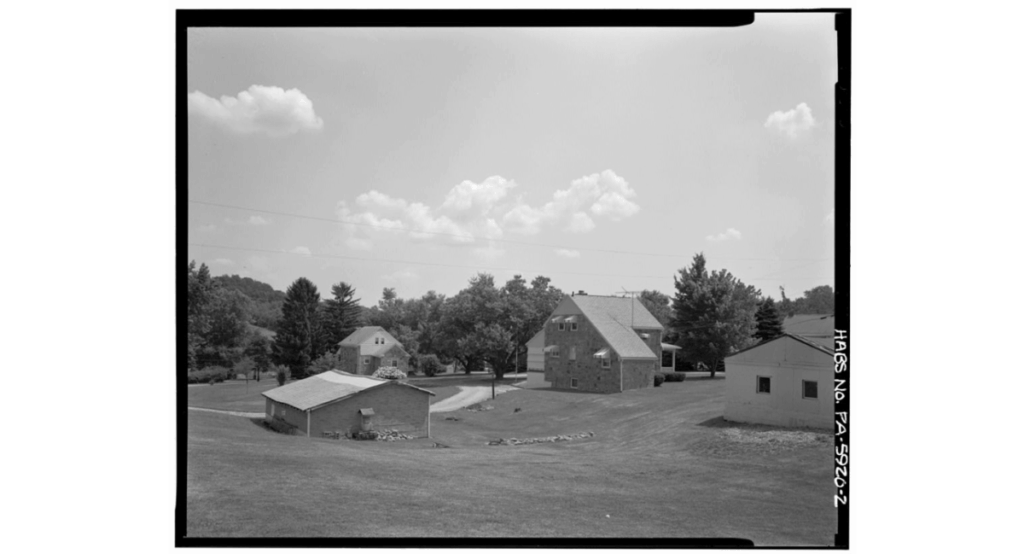
Each family received a modest loan of $2,000 to build their home, repayable over twenty years. In return, they contributed 2,750 hours of labor to build their own house and those of others. Using sandstone quarried nearby and salvaged brick from dismantled coke ovens, the homesteaders literally built their community from the land itself.
The Design
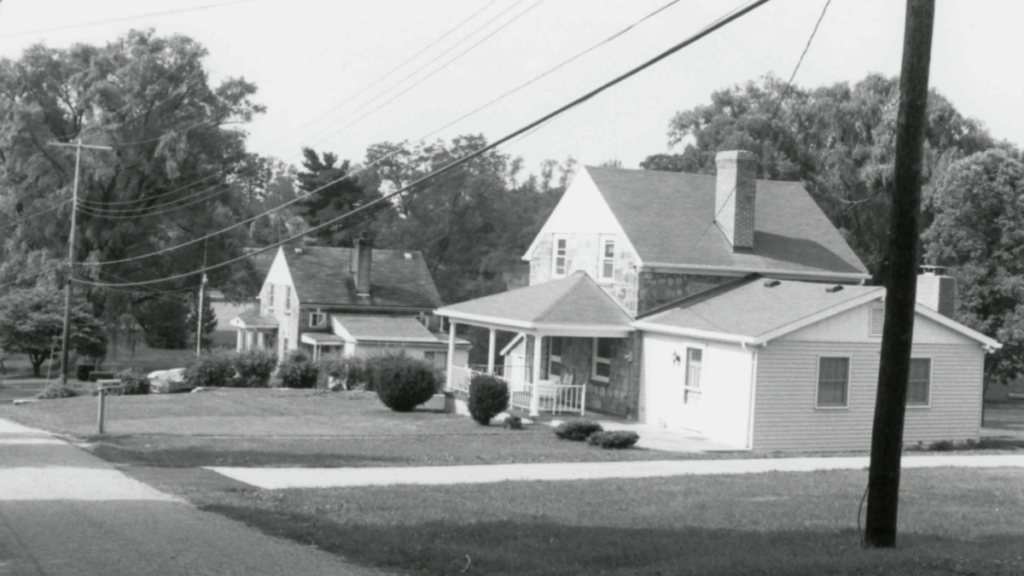
The architect, William Macy Stanton, had designed the Tennessee Valley Authority town of Norris and Cumberland Homesteads in Tennessee. His five different floorplans for Penn-Craft homes were practical yet charming: one-and-a-half-story stone cottages, solid and simple, each with a garden large enough to feed a family and to sell any surplus at the cooperative store.
The Cooperative
More than a housing project, Penn-Craft was a community built on Quaker ideals. Residents formed the Penn-Craft Community Association, electing officers and running committees for farming, social life, and education. They opened a cooperative store, which later boasted the county’s first frozen-food locker plant, and a knitting mill that produced thousands of sweaters before World War II.
The AFSC encouraged self-governance and learning. Homesteaders attended classes in nutrition, childcare, and agriculture while children joined Scouts and clubs. The community published its own newsletter, The Penn-Craft, beginning in 1939. First Lady Eleanor Roosevelt visited that same year, praising the community’s efforts to rebuild dignity through work.
At first, the families combined subsistence farming with cooperative enterprises. The knitting mill, led by Louis Gallet, trained women and teens when the men returned to the mines during the war. By 1947, the factory employed nearly 100 people.
Penn-Craft Today
Penn-Craft grew again after the war with a second phase of homes built for returning veterans and the children of original settlers. The community adapted, but its cooperative spirit remained strong.
Listed on the National Register of Historic Places, Penn-Craft is more than a historic district, it’s a living testament to what can happen when compassion, practicality, and persistence come together. It proved that community could be built not just with stone and mortar, but with hope, hard work, and shared purpose.
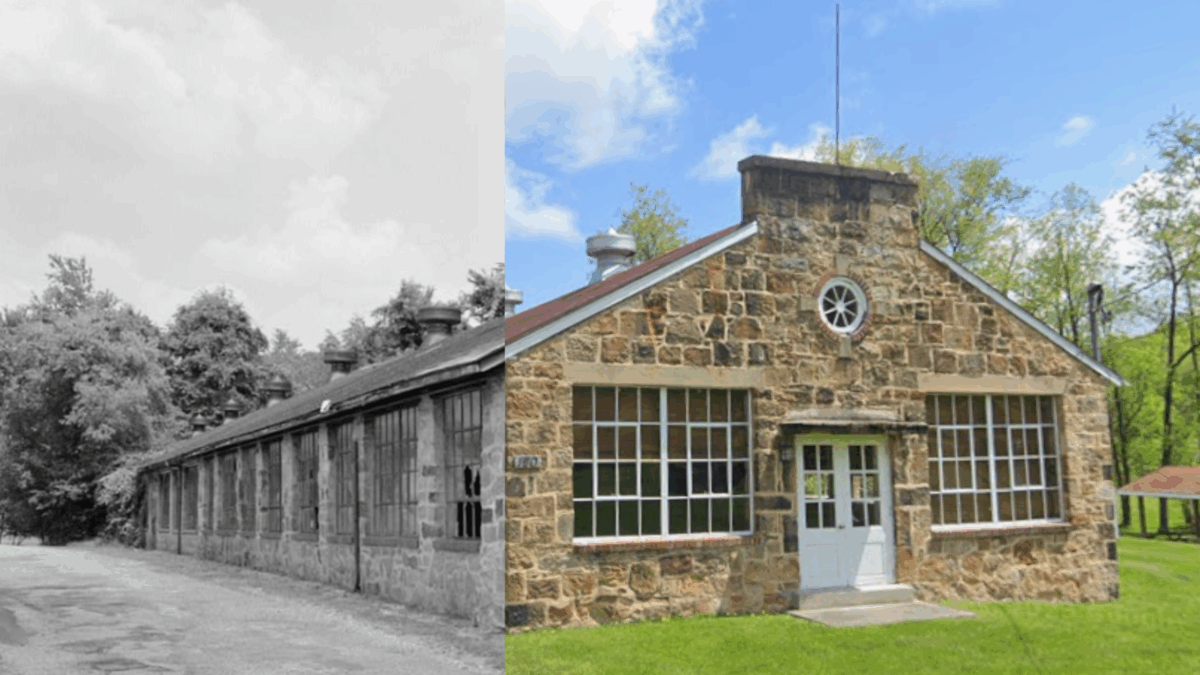
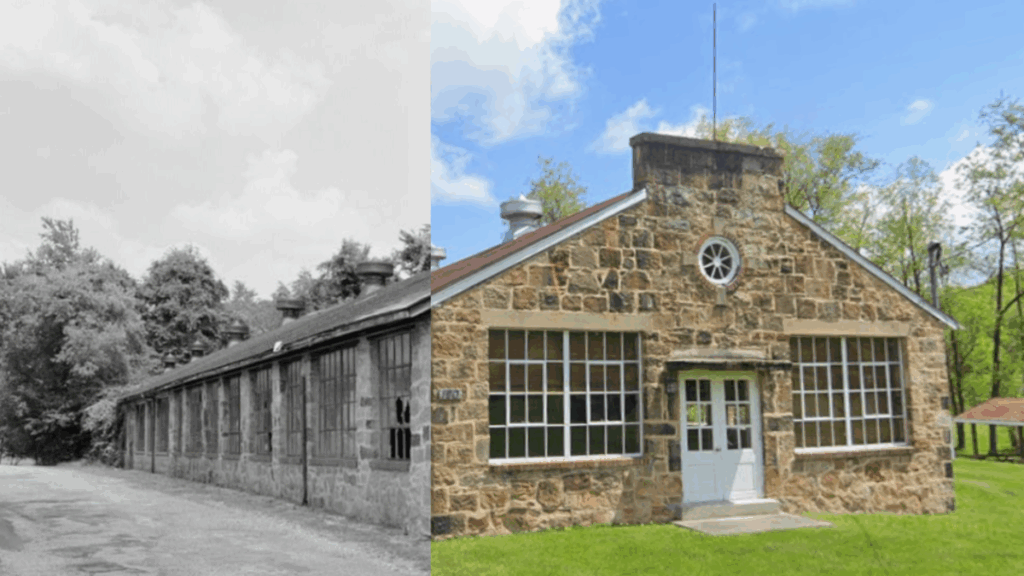
Today, Penn-Craft still stands as a rare and remarkably intact example of Depression-era community planning. Its stone houses line curving roads, its fields recall farming efforts, and some descendants of the original families still call it home. The former knitting factory building is now the Penn-Craft Community Center, which may be rented for private and community events.
“We are all part of a great experiment in the world of economics and human relations,” wrote project manager David Day in 1937. Nearly ninety years later, Penn-Craft continues to prove that experiment a success.
References:
Orslene, Louis and Shearer, Susan. “National Register of Historic Places Nomination: Penn-Craft Historic District.” 1989.
U.S. Department of the Interior. National Park Service. “Historic American Buildings Survey – Subsistence-Homestead Towns, Penn-Craft, Fayette County, Pennsylvania. Written Historical and Architectural Data.” HABS No. PA-5919.
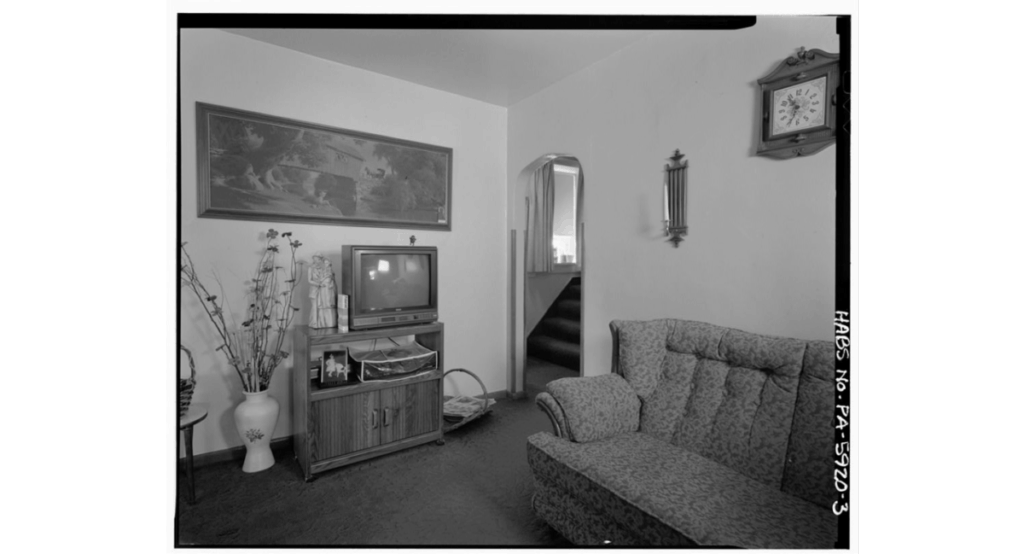
U.S. Department of the Interior. National Park Service. “Historic American Buildings Survey – Town of Penn-Craft, Fayette County, Pennsylvania. Photographs, Written Historical and Architectural Data.” HABS No. PA-5920.
The National Pike Trail is a developing multi-use trail that follows the historic route of the National Road through Washington County, Pennsylvania. It is currently about 2 miles long, but as it grows, this scenic corridor will connect communities like Claysville, West Alexander, and eventually the City of Washington, offering walkers, runners, and cyclists a safe, accessible path steeped in history.
A Shining Example
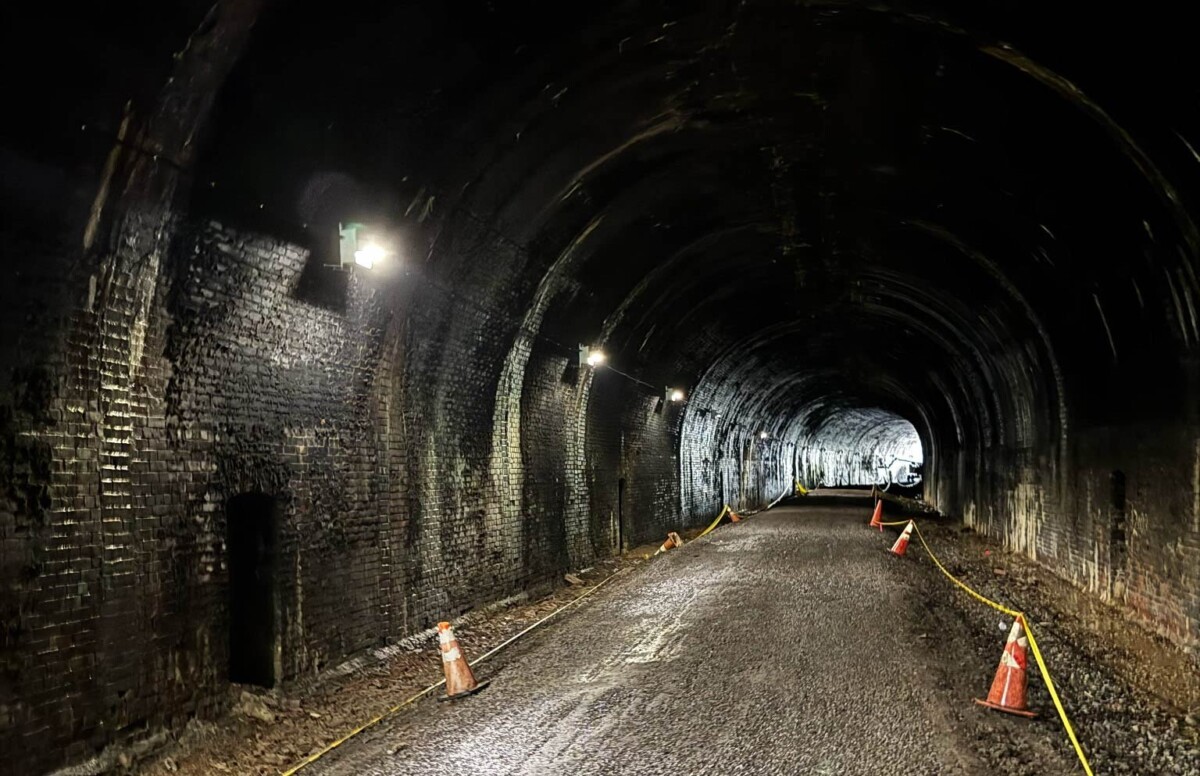
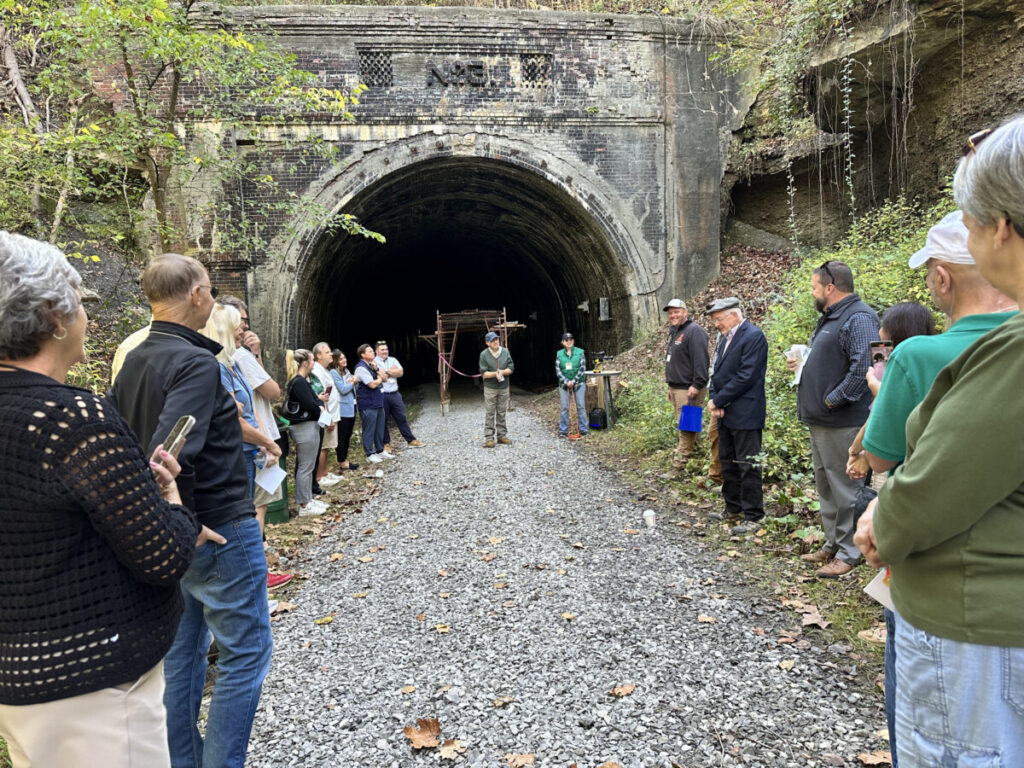
On Saturday, October 4th, 2025, community leaders, partners, and trail supporters gathered at Tunnel #3 along the National Pike Trail to celebrate the completion of the trail’s Solar Lighting Project, a milestone in improving both safety and visitor experience.
The lighting project was a true community collaboration between the National Pike Trail, Washington County Tourism, Lucas Electric, and Wilkie Contracting.
The 800-foot tunnel, originally constructed in the 1850s, now features 20 solar-powered LED fixtures illuminating its historic interior. Lucas Electric installed more than 1,200 feet of raceway, 7,000 feet of wiring, and secured over 800 fasteners, all with labor and equipment proudly donated by the company and its team of first responders.
Attendees included Commissioner Sherman, Casey Grealish and Janice Aide from Electra, Jason Theakston from the Washington County Planning Commission, Will Thomier and Dana Bucci from Tourism, Monica Babir and Josh Kail’s Aide, Rick Newton of CABA, Joe Lucas of Lucas Electric, Pastor Terry Teluch, Ned Williams, Dennis Dutton of the Tourism Board, and Sandy Griswald.
This project is a shining example of how local collaboration can quite literally brighten the path forward, enhancing the trail’s accessibility and celebrating Washington County’s proud heritage.
Take a Hike
Want to explore the newly brightened path?
Head to National Pike Trail Council – 4500 Donegal Ind Park, Claysville, PA 15323 for parking. Follow a pre-Civil War railroad line from the eastern edge of Claysville to Timber Lake Road. Pass through two arch tunnels and enjoy scenic views of the surrounding landscape. To hike the whole trail out and back is about 4 miles.